When you buy through our links, we may earn a commission. Products or services may be offered by an affiliated entity. Learn more.

Mouth Taping for Sleep: Does It Work?


- Mouth taping is a trend where a person tapes their mouth closed before going to bed to encourage nasal breathing and potentially stop snoring.
- Despite claims on social media that mouth taping can improve sleep quality, prevent bad breath, and define the jawline, the purported benefits of mouth taping are mostly anecdotal, as few studies have backed up claims.
- Mouth taping can cause side effects like skin irritation, discomfort, disrupted sleep, or breathing issues, and it should not be used by people with untreated sleep apnea, chronic nasal congestion, or difficulty breathing through the nose.
Many people are turning to mouth taping as a simple way to improve their sleep, but does this unusual practice deliver the benefits it promises? Placing a strip of tape over your mouth before bed encourages nose breathing during sleep and is often done in the hopes of reducing snoring, preventing bad breath, or promoting deeper rest.
However, research on mouth taping is limited, so most of its reported benefits remain anecdotal. In this article, we’ll explore how mouth taping works, what the science says so far, how to use it safely, and what other options are available.
What Is Mouth Taping and How Does It Work?
Mouth taping is the practice of placing a piece of porous tape over the lips before bed to gently encourage nasal breathing during sleep. The idea is simple: By keeping the mouth closed, the body is nudged into breathing through the nose, which some believe promotes better sleep and reduces issues linked to mouth breathing, like snoring or dry mouth.
Nasal breathing is often considered more beneficial than mouth breathing, as it can help filter allergens, humidify incoming air, and support optimal oxygen exchange. For individuals who tend to breathe through their mouth at night, taping may act as a gentle reminder that promotes healthier breathing habits — assuming there are no underlying medical concerns like nasal obstruction or sleep apnea.

What Are the Benefits of Mouth Taping?
While research on mouth taping is still limited, some small studies suggest that it may reduce snoring and daytime fatigue in people with mild obstructive sleep apnea (OSA). However, most other reported benefits remain anecdotal and unproven.
Snoring and Sleep Apnea
The number of people using mouth tape for snoring is on the rise. Snoring often occurs when someone breathes through their mouth, which can cause the soft tissues in the throat to vibrate. By gently encouraging nasal breathing, mouth taping may help keep the airway more stable and reduce the likelihood of snoring.
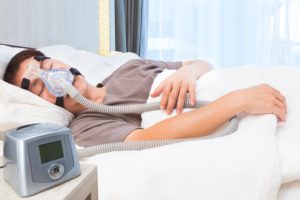
This has mostly been studied in people with mild sleep apnea and those using CPAP therapy. In a study of people with mild OSA, wearing a porous patch over the mouth caused all the participants to breathe through their nose, leading to significantly less snoring and fewer instances of lapsed breathing. Mouth taping may also help minimize CPAP mask air leaks caused by mouth breathing.
That said, mouth taping is not a treatment for sleep apnea on its own. Anyone with symptoms of sleep apnea — such as loud snoring, choking or gasping for air during sleep, or excessive daytime fatigue — should consult a healthcare provider before trying this practice, as mouth taping can further obstruct breathing.
Other Benefits
Anecdotally, proponents of mouth taping claim it helps reduce the negative effects thought to be associated with breathing through your mouth, including dry mouth, bad breath, cavities and gum disease, excessive nighttime thirst, and trouble concentrating. However, most of these claims haven’t been scientifically studied.
Nasal breathing does offer known advantages — it helps filters allergens, warms and humidifies air, and promotes more efficient oxygen exchange. Still, studies on mouth taping in people with asthma, for example, have not shown meaningful benefits. More research is needed before mouth taping can be recommended as an effective treatment for these concerns.
What Are the Side Effects of Mouth Taping?
While some people tolerate mouth taping well, others may experience the following side effects:
- Skin irritation: Adhesive from the tape can cause redness, rashes, or dryness around the lips.
- Discomfort for people with facial hair: Tape can pull on facial hair, making removal painful or irritating.
- Nasal congestion issues: If your nose becomes blocked during the night, mouth taping can make breathing difficult.
- Sleep disruption: Difficulty breathing or discomfort may cause restless sleep or frequent awakenings.
- Increased anxiety or panic: Feeling restricted while sleeping may lead to anxious awakenings, especially for those prone to claustrophobia.
Who Shouldn’t Use Mouth Tape?
Mouth taping may offer benefits for some, but it isn’t safe or appropriate for everyone, especially those with certain medical conditions.
- People with obstructive sleep apnea (OSA) who are not using CPAP therapy, as mouth taping can worsen breathing disruptions
- Anyone with nasal congestion or blockage, such as from allergies, a deviated septum, or a cold, as nasal breathing may not be possible
- Individuals with respiratory conditions like asthma or chronic obstructive pulmonary disease (COPD), unless advised by a doctor
- Children, unless under medical supervision, as it can be risky to restrict mouth breathing in young sleepers
- People with anxiety or panic disorders, as taping the mouth may trigger discomfort or panic
- Anyone at risk of vomiting during sleep, as taping the mouth may prevent safe expulsion
How to Mouth Tape Safely
Since mouth taping isn’t considered a commonly accepted practice, talk to your doctor before trying it. Currently, there are no official guidelines outlining how to mouth tape safely. Also, the risks that come with mouth taping without a doctor’s advice are unknown.
To try mouth taping safely:
- Test the tape during the day to ensure you can breathe easily through your nose.
- Avoid taping if your nose is blocked due to allergies, colds, or structural issues.
- Fold over one corner of the tape to make it easier to remove in the morning.
What Kind of Mouth Tape to Use for Sleep
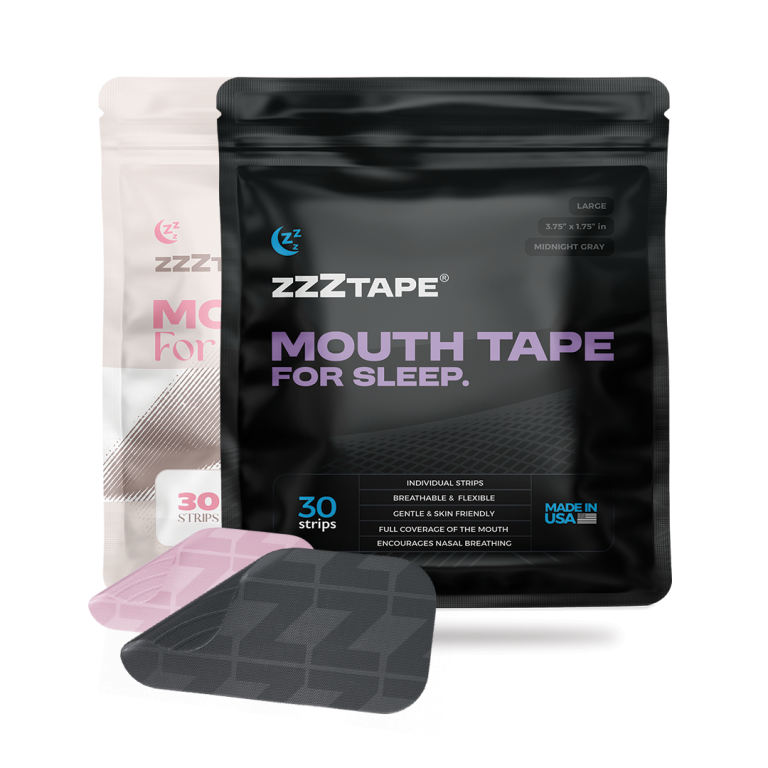
Products like ZzzTape are designed specifically for sleep, using skin-safe adhesives and breathable materials to support nasal breathing during the night. If you decide to try mouth taping, use a porous tape intended for use on human skin. Masking tape or another tape not intended for use on the body might be more likely to cause irritation or an allergic reaction.
Some companies sell adhesive strips designed to be used for mouth taping during sleep. Most pharmacies also sell hypoallergenic tape, surgical tape, and athletic tape, which are porous and commonly used on human skin. More recently, some companies have started selling mouth tape for the intended purpose of reducing mouth breathing.

What Are the Alternatives to Mouth Taping?
If you’re interested in the potential benefits of nose breathing but aren’t comfortable with taping your mouth shut, you’re not alone. Mouth taping isn’t the only option. There are several alternative strategies and tools that can encourage nasal breathing during sleep — many of which may feel more comfortable, carry fewer risks, or be better supported by research.
Alternatives to mouth taping vary depending on why you are interested in mouth taping.
Side Sleeping
If you want to reduce snoring, you might consider training yourself to sleep on your side instead of taping your mouth. Decades of research demonstrate that both people with and without obstructive sleep apnea snore less when they side sleep instead of back sleep.
To make switching sleep positions more comfortable, you may want to consider purchasing a new mattress and pillow. The ideal bed setup promotes spinal alignment and reduces pressure points as you lie in your most common sleep position.
Nasal Strips
Nasal strips provide another option for snoring reduction. Nasal strips are adhesive devices placed on the nose to expand the nasal passage and encourage nose breathing. Studies of nasal strips have produced mixed results, with some showing an improvement in snoring and some showing no effect.
Treating Allergies and Asthma
Around 25% of people in westernized countries experience an allergic reaction to substances they breathe in, such as pollen. This reaction often involves nasal congestion, which can make breathing through the nose more difficult. If you have allergies and find yourself breathing through your mouth at night, try treating your allergies to see if that helps you breathe more comfortably through the nose.
Similarly, people who live with asthma should work with a doctor to control symptoms by avoiding triggers and using medication where appropriate.
Practicing Good Oral Hygiene
Mouth taping interests some people because of promises that it can cure bad breath. An oral hygiene routine that includes regular tooth brushing, flossing, tongue cleaning, and gargling with mouthwash can also help protect against bad breath.
Practicing Good Sleep Hygiene
Some people claim mouth taping reduces daytime tiredness. There are multiple other sleep hygiene habits that can help you obtain the sleep you need, such as:
- Going to sleep and waking up at the same time each day
- Sleeping in a room that is free from light and noise
- Avoiding looking at screens before sleep
- Skipping alcohol and caffeine in the hours before bed
- Exercising regularly
When Should You Talk to Your Doctor?
In some instances, people interested in mouth taping might benefit from seeking medical help instead. Consider making an appointment with your primary care physician if you:
- Have a sleep disorder or think you might have a sleep disorder
- Experience severely bad breath
- Have a child that breathes primarily through their mouth
Sleep disorders are conditions that require professional diagnosis and treatment rather than home remedies. Trying mouth taping instead of visiting your doctor could delay the start of important treatment.
Similarly, extreme bad breath could be due to an issue other than mouth breathing. For example, people can experience severe bad breath as a result of cavities, underlying sinus infections, and digestive problems like ulcers. Visits to your doctor and dentist can help you identify and treat potential underlying medical or dental issues.
It is also important to see your doctor if your child has an issue with mouth breathing. Mouth breathing may slow growth in children, so it may require medical attention. Mouth taping in children has not been studied and should not be tried.
Frequently Asked Questions
Why do we breathe through our mouths?
Mouth breathing can occur for a number of reasons, including nasal congestion from allergies or illness, structural issues like a deviated septum, enlarged tonsils or adenoids, or simply the habit of breathing through the mouth. During sleep, muscle relaxation can also cause the mouth to fall open, especially if someone is lying on their back or has sleep-disordered breathing.
Does mouth taping improve the jawline?
There is no scientific evidence that mouth taping directly improves the jawline. Claims that it strengthens jaw muscles or reshapes the face are anecdotal at best. Jawline appearance is influenced by factors like genetics, body fat, age, and overall muscle tone — not whether or not someone tapes their mouth shut at night.
Can you train yourself to sleep with your mouth closed?
Yes, in some cases. Practicing good nasal hygiene, treating underlying nasal blockages or congestion, and using supportive tools like chin straps or posture training may help encourage nasal breathing during sleep. However, results vary, and it’s important to address any medical reasons behind chronic mouth breathing before attempting behavioral changes.

Still have questions? Ask our community!
Join our Sleep Care Community — a trusted hub of sleep health professionals, product specialists, and people just like you. Whether you need expert sleep advice for your insomnia or you’re searching for the perfect mattress, we’ve got you covered. Get personalized guidance from the experts who know sleep best.
Jay Vera Summer is a writer, editor, and wellness coach. She holds a Bachelor's of Science in psychology and Master's degrees in both writing and public policy.
Dr. Anis Rehman, MD is an American Board of Internal Medicine (ABIM) certified physician in Internal Medicine as well as Endocrinology, Diabetes, and Metabolism who practices in Illinois. He completed his residency at Cleveland Clinic Akron General, and fellowship training at the University of Cincinnati in Ohio. Dr. Rehman has several dozens of research publications in reputable journals and conferences.
Learn more about our medical advisory boardReferences9 Sources
Sano, M., Sano, S., Oka, N., Yoshino, K., & Kato, T. (2013). Increased oxygen load in the prefrontal cortex from mouth breathing: A vector-based near-infrared spectroscopy study. Neuroreport, 24(17), 935–940.
https://pubmed.ncbi.nlm.nih.gov/24169579/Huang, T.-W., & Young, T.-H. (2015). Novel porous oral patches for patients with mild obstructive sleep apnea and mouth breathing: A pilot study. Otolaryngology Head and Neck Surgery: Official Journal of the American Academy of Otolaryngology-Head and Neck Surgery, 152(2), 369–373.
https://pubmed.ncbi.nlm.nih.gov/25450408/Ravesloot, M. J., van Maanen, J. P., Dun, L., & de Vries, N. (2013). The undervalued potential of positional therapy in position-dependent snoring and obstructive sleep apnea: A review of the literature. Sleep & breathing, 17(1), 39–49.
https://pubmed.ncbi.nlm.nih.gov/22441662/Noss, M. J., Ciesla, R., & Shanga, G. (2019). Sleep quality and congestion with Breathe Right nasal strips: Two randomized controlled trials. Advances in Therapy, 36(8), 1975–1985.
https://pubmed.ncbi.nlm.nih.gov/31209698/Eifan, A. O., & Durham, S. R. (2016). Pathogenesis of rhinitis. Clinical and Experimental Allergy: Journal of the British Society for Allergy and Clinical Immunology, 46(9), 1139–1151.
https://pubmed.ncbi.nlm.nih.gov/27434218/A.D.A.M. Medical Encyclopedia. (2021, June 3). Asthma. MedlinePlus.
https://medlineplus.gov/ency/article/000141.htmBicak, D. A. (2018). A current approach to halitosis and oral malodor—A mini review. The Open Dentistry Journal, 12, 322–330.
https://pubmed.ncbi.nlm.nih.gov/29760825/Caruso CC, Chosewood LC. Improve sleep: tips to improve your sleep when times are tough. NIOSH Science Blog. Centers for Disease Control and Prevention. Published June 29, 2020.
https://www.cdc.gov/niosh/bulletin/2020/sleep.htmlTungare, S., Zafar, N., & Paranjpe, A. G. (2021). Halitosis. In StatPearls. StatPearls Publishing.
https://pubmed.ncbi.nlm.nih.gov/30521280/