
When you buy through our links, we may earn a commission. Products or services may be offered by an affiliated entity. Learn more.
Best Bamboo Sheets of 2026

Soft, lightweight bedding can help keep sleepers comfortable throughout the night. Bamboo sheets are most known for being breathable, preventing sleepers from overheating throughout the night.
These sheets are made with bamboo fibers, which can be processed into rayon or viscose in several different ways. Bamboo-derived fabric is a versatile textile that can be woven with a lustrous, matte, or textured feel. The lightweight fabric wicks away moisture and prevents heat retention. Bamboo sheets are durable, but special care should be taken to preserve the feel of the soft fabric.
Bamboo itself is a renewable resource. However, there are considerations that shoppers should keep in mind to make sure the bamboo sheets they purchase are ethically and sustainably made. We’ll take a closer look at how bamboo sheets are manufactured, and what the differences are between each type of bamboo-derived textile.
First, we’ll review our top picks for the best bamboo sheets on the market and break down why we recommend them. Our recommendations are based on extensive product testing and verified customer reviews. We’ll also include tips on what to look for when shopping for bamboo sheets, the pros and cons of this type of bedding, and care recommendations.
Our Top Picks
Best Overall
:Luxome Luxury Sheet Set
Shop Now
Best Value
:Sijo Organic Bamboo Sheet Set
Shop Now
Most Comfortable
:Sweet Zzz Organic Bamboo Sheets
Shop Now
Best Luxury
:Cozy Earth Bamboo Sheet Set
Shop Now
Best Cooling
:Quince Bamboo Sheet Set
Shop Now
Softest
:Bearaby Second Skin Sheet Set
Shop Now
Best Deep-Pocket
:Brooklyn Bedding Deep Pocket Bamboo Cotton Sheets
Shop Now
Best Temperature Regulating
:Cariloha Classic Bamboo Bed Sheet Set
Shop Now
Best Range of Colors
:ettitude Signature Sateen Sheet Set
Shop Now
Best Overall: Luxome Luxury Sheet Set
Best Overall
9.2/10Test Lab Score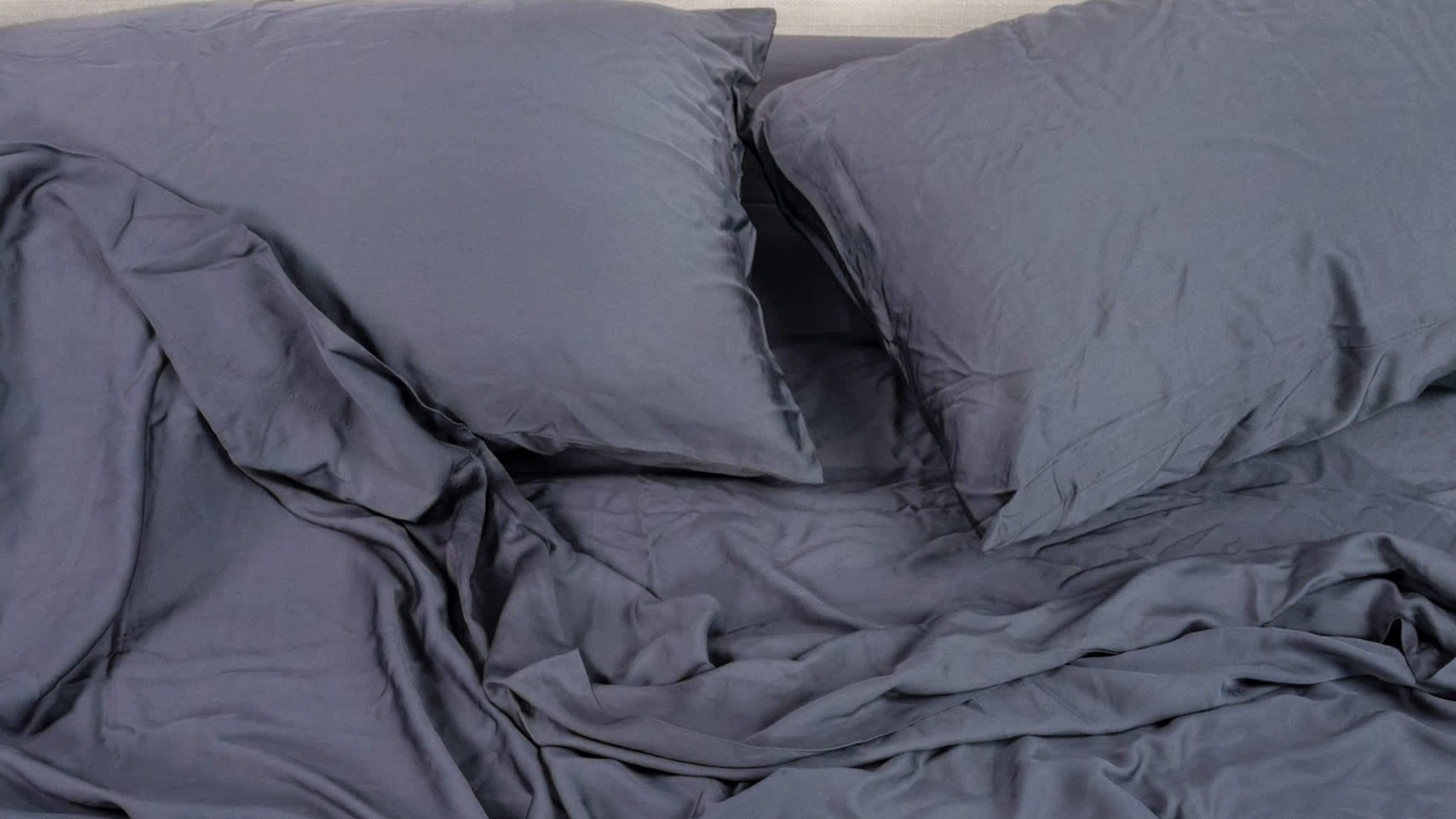
Luxome Luxury Sheet Set
Best Value: Sijo Organic Bamboo Sheet Set
Best Value
8.5/10Test Lab Score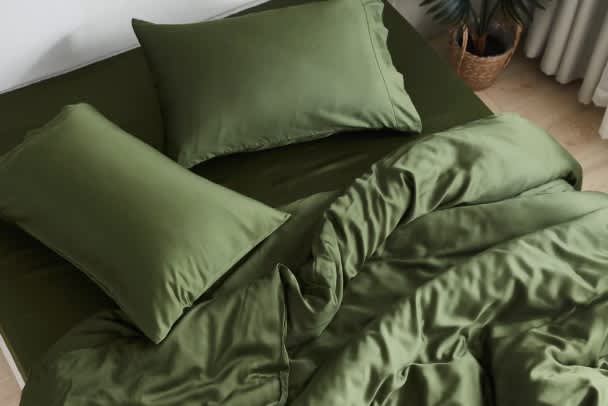
Sijo Organic Bamboo Sheet Set
Most Comfortable: Sweet Zzz Organic Bamboo Sheets
Most Comfortable
8.8/10Test Lab Score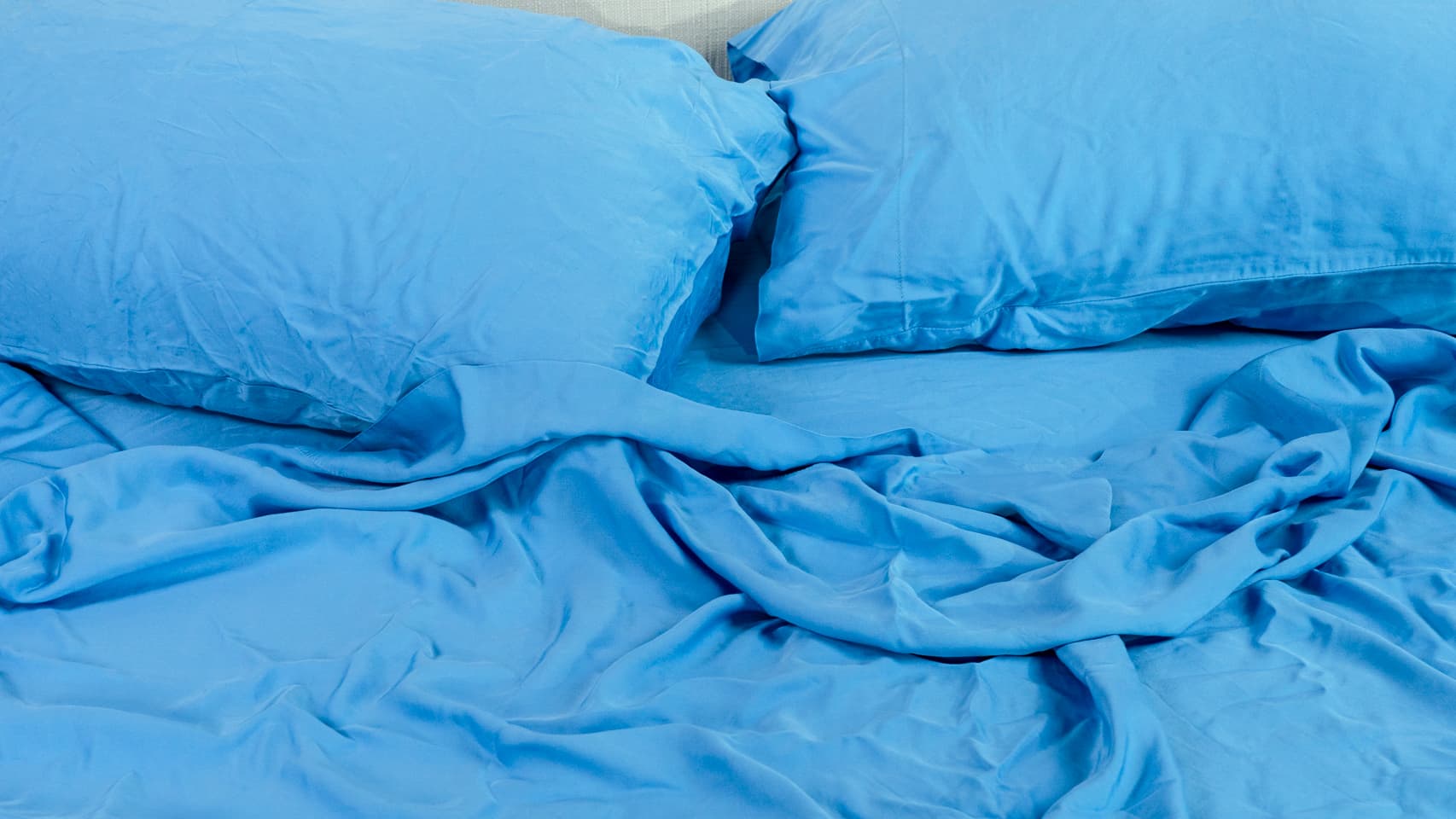
Sweet Zzz Organic Bamboo Sheets
Best Luxury: Cozy Earth Bamboo Sheet Set
Best Luxury
8.8/10Test Lab Score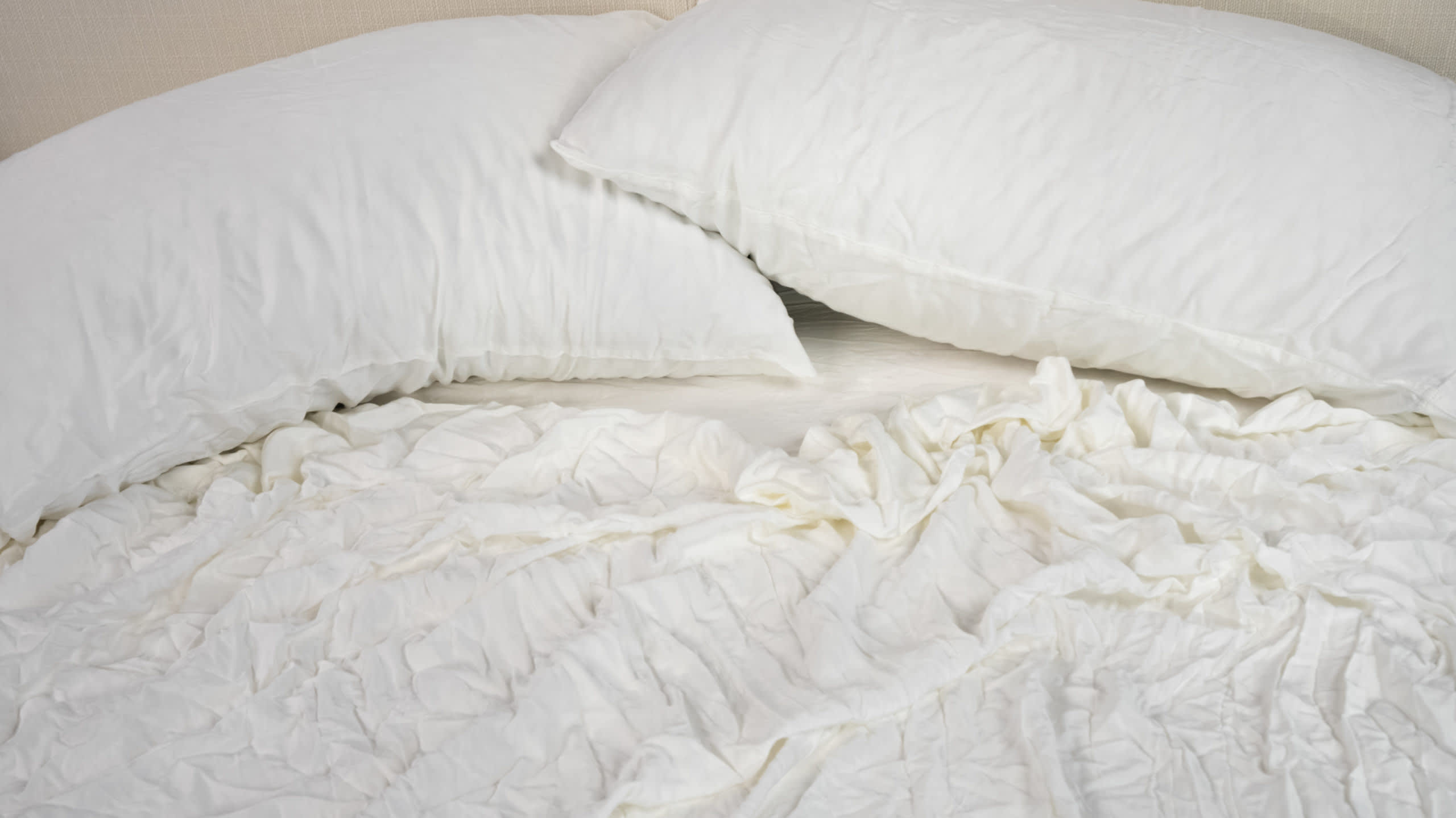
Cozy Earth Bamboo Sheet Set
Best Cooling: Quince Bamboo Sheet Set
Best Cooling
8.3/10Test Lab Score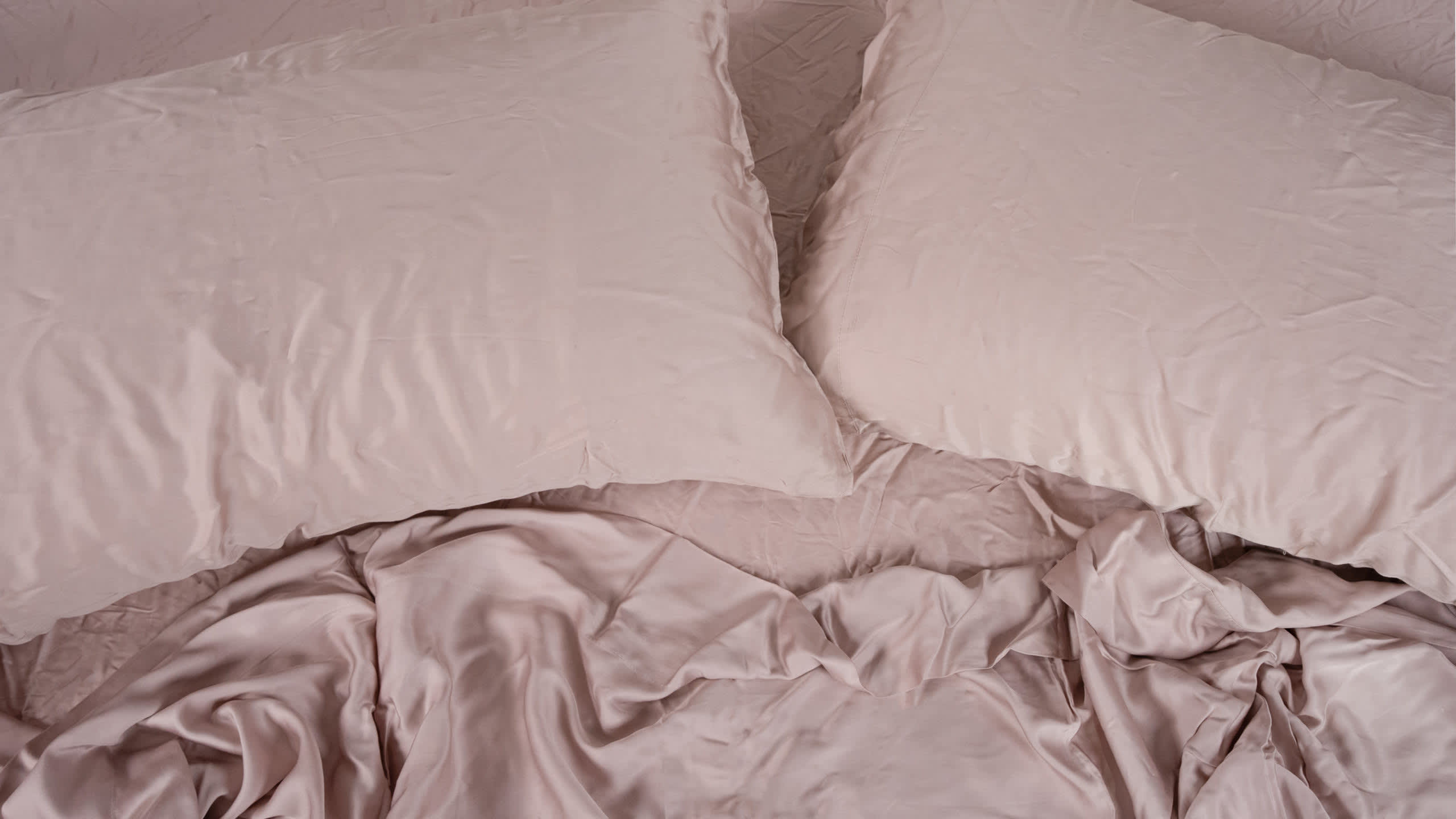
Quince Bamboo Sheet Set
Softest: Bearaby Second Skin Sheet Set
Softest
8.7/10Test Lab Score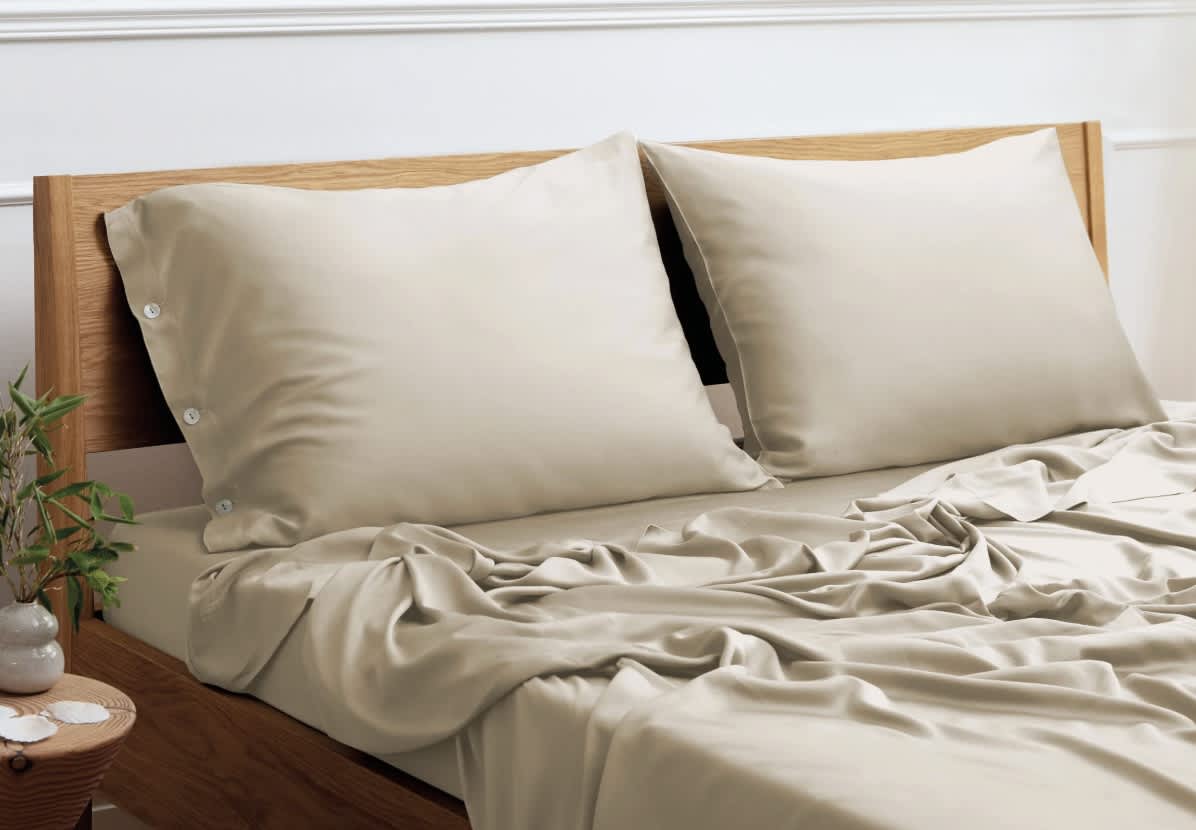
Bearaby Second Skin Sheet Set
Best Deep-Pocket: Brooklyn Bedding Deep Pocket Bamboo Cotton Sheets
Best Deep-Pocket
8.8/10Test Lab Score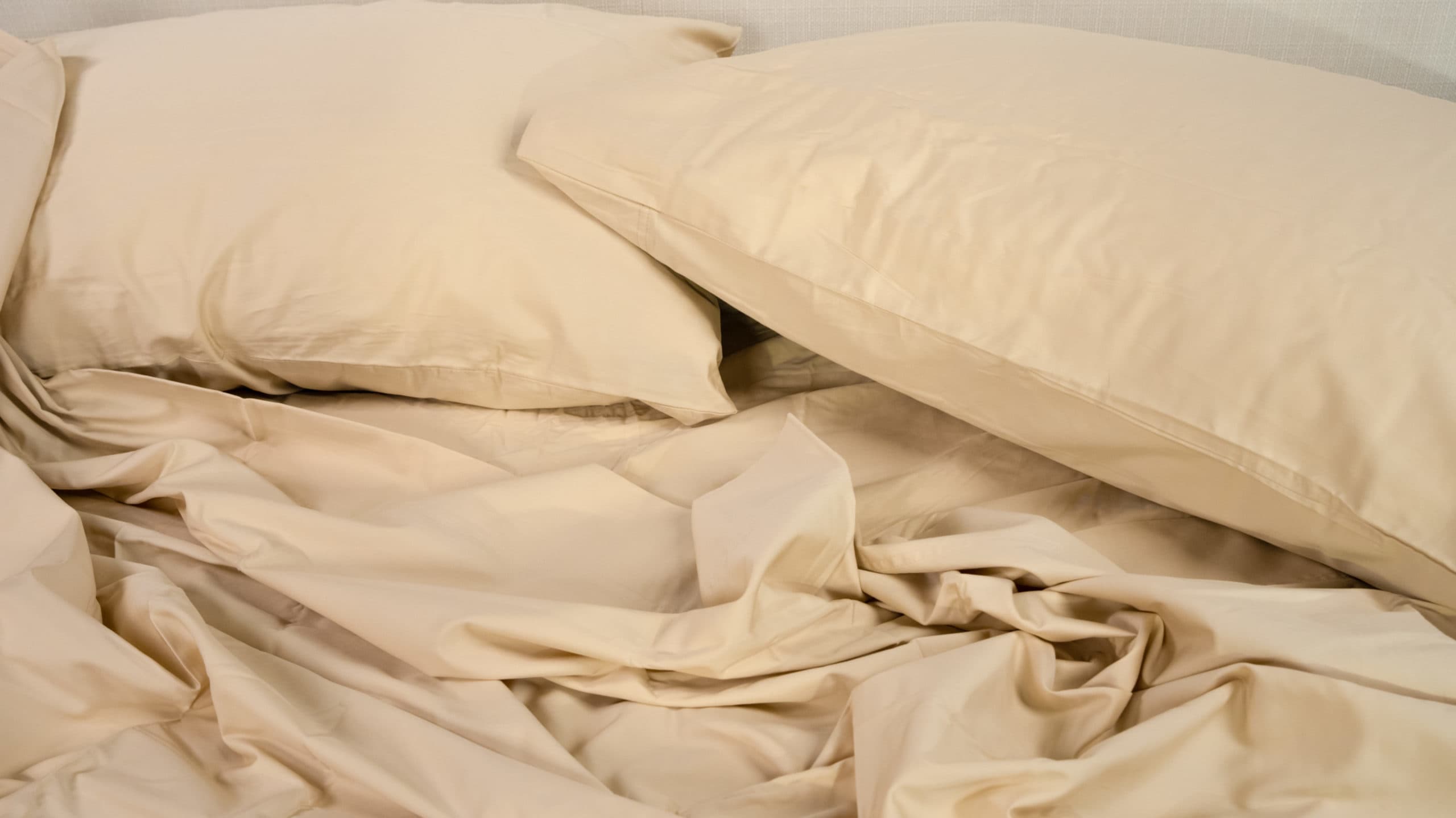
Brooklyn Bedding Deep Pocket Bamboo Cotton Sheets
Best Temperature Regulating: Cariloha Classic Bamboo Bed Sheet Set
Best Temperature Regulating
8.2/10Test Lab Score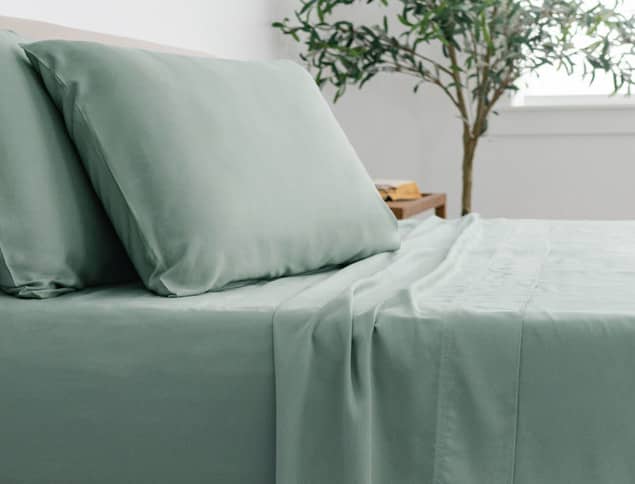
Cariloha Classic Bamboo Bed Sheet Set
Best Range of Colors: ettitude Signature Sateen Sheet Set
Best Range of Colors
7.8/10Test Lab Score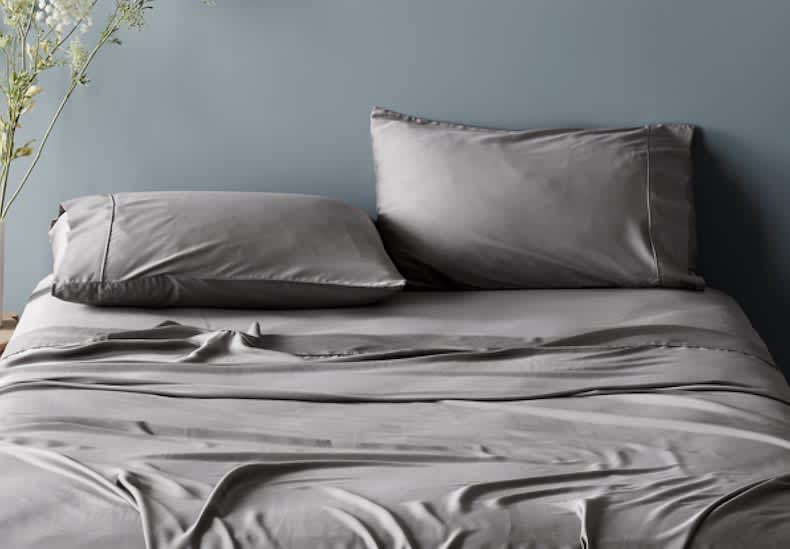
ettitude Signature Sateen Sheet Set
Best Bamboo Sheets Video
Watch our video below to learn more about our top picks for bamboo sheets.
What Is Bamboo?
Bamboo textiles have been produced for thousands of years, originating in East Asia. One of the predominant uses of bamboo in early Chinese dynasties was as paper, and many early books were written on bamboo pages. The use of bamboo continued to evolve, and it began to be used for clothing. The history of bamboo textiles runs deep.
In some ideations, bamboo was blended with wool to create yarn that could be woven into fabric. In the early 2000s, Beijing University made one of the first iterations of modern bamboo-derived fabric and shared their findings. The popularity of bamboo cloth has only increased since, with a variety of production methods and uses.
Bamboo sheets are revered for their breathable, soft feel. These sheets can be made with mechanical or chemical processes. Since bamboo is a renewable resource, stalks are cut cleanly to promote regrowth. The stalks are then cut into shavings and can be soaked in enzymes or chemicals to produce a pulp that will eventually be spun into a fiber.
We’ll further break down the types of bamboo textiles next. The processing method affects the hand feel and weight of the sheets.
Are Bamboo Sheets Really Made From Bamboo?
Marketers have a great time extolling the virtues of bamboo-derived fabric, which technically originates from a natural source: bamboo plants. But the truth is that bamboo undergoes quite a lot of significant change before it becomes the material your sheets are made out of.
While bamboo linen can be produced mechanically, most bamboo-based fabrics are made by chipping the wooden stalks and then breaking them down into pulp using chemicals. That pulp is then spun into a fiber. Most people agree that this type of bamboo fabric doesn’t really fit neatly into either the “natural” or the “synthetic” category.
In fact, so little resemblance do bamboo fabrics bear to the original raw material that the Federal Trade Commission requires manufacturers to specify that it’s “fabric made from bamboo.” It’s illegal to call it bamboo fabric unless it’s bamboo linen, which it almost never is.
Is Bamboo Fabric Environmentally Friendly?
Bamboo is a quick-growing plant that naturally regenerates after it’s cut. That said, claims of bamboo being eco-friendly are often a little overblown. It’s rare to see bamboo sheets that were made without chemicals, which can be harmful to the workers and the environment, and the manufacturing process also uses large amounts of water.
Still, the end product is generally biodegradable, and certain manufacturers use more thoughtful processing methods. If sustainability is important to you, look for eco-friendly certifications, such as guarantees that the bamboo was sourced from responsibly managed forests and made through a closed-loop process which recovers and reuses non-toxic solvents.
The most sustainable bamboo fabric is bamboo linen, made by dissolving the plant stalks with natural enzymes and spinning them by hand into yarn. Bamboo linen sheets aren’t very common, because they’re rougher and prone to wrinkling. Bamboo lyocell is the next eco-friendliest because it’s produced with a closed-loop process, followed by viscose and rayon produced with an open-loop process.
How to Choose Bamboo Sheets
There is plenty for shoppers to consider when choosing bamboo sheets, especially if they have not purchased this type of bedding before. We’ll outline what to look for when shopping online and in-store for bamboo sheets. Shoppers should be aware of how the weave, feel, and thread count can all affect the price and durability of bamboo sheets.
We’ll also explain the main benefits and drawbacks of bamboo sheets, keeping in mind that bamboo sheets may be better suited for some sleepers than others.
Types of Bamboo Textiles
Bamboo textiles can be made with mechanical or chemical processing methods. Though each process begins with bamboo stalks, the end products can be vastly different. There are several types of bamboo textiles, differentiated by the method used to manufacture them. The Federal Trade Commission requires bamboo textiles to be labeled and advertised properly.
Rayon: Rayon is a semi-synthetic textile that originated as an alternative to silk. A chemical process results in regenerated cellulose, which can be made with bamboo, wood pulp, or cotton. The pulp is soaked in a solution before being dried and spun into fibers. Rayon from bamboo is common and tends to be affordable.
Viscose: Viscose is a type of rayon, and it is common that the two terms are used interchangeably. The viscose method takes additional processing, and can produce additional waste. Bamboo cellulose is soaked in carbon disulfide, filtered, and spun into yarn. The harsh chemicals used pose a risk to the environment and workers if not handled properly.
Lyocell: Lyocell is made using a closed-loop manufacturing process, which helps eliminate waste and can be better for the workers and the environment. Bamboo pulp is dissolved in a non-toxic solvent before being spun into fibers.
Bamboo Linen: Also labeled as natural bamboo, bamboo linen is created using a mechanical process. The bamboo stalks are broken down by natural enzymes. The bamboo fibers are then combed out by hand and spun into yarn. This textile is less common, as it is more labor intensive and results in a fabric that is not as soft as rayon and lyocell fabrics.
Types of Weaves
There are three common types of weave available for bamboo-derived sheets:
Sateen: A sateen weave pattern typically has three to four threads over, and one thread under. This results in a smooth finish with a lustrous sheen, similar to satin. Sateen sheets should not be confused for satin, though. Sateen is a weave pattern, while satin is a finish. Sateen sheets drape nicely and resist wrinkling. The finer threads used often allow for a higher thread count and silky hand feel. Having more exposed threads facing the same direction can cause sateen sheets to snag more easily, so purchasers should take extra care when using and cleaning these sheets.
Percale: A percale weave pattern has one thread over and one thread under. This even weave results in a crisp and lightweight feel with a matte finish. Percale sheets are often better suited for hot sleepers, as the weave allows for higher breathability with ample airflow. This type of weave is more likely to wrinkle than sateen.
Twill: A twill weave has a diagonal pattern. This adds texture to the sheets, so twill bamboo sheets may not feel as soft and smooth for sleepers. However, they are less likely to show wear and are considered to be more durable. This type of weave may be recognizable to shoppers, as it is commonly used in denim.
Other Things to Consider When Buying Bamboo Sheets
When shopping for new sheets, shoppers should keep the following factors in mind. Investing in new bedding and having fresh sheets can help you look forward to a restful night’s sleep.
Some of these considerations are specific to bamboo sheets, but all shoppers will benefit from understanding what to look for when it comes to thread count, fit, and feel. Marketing can be misleading, especially in the world of luxury bedding. Having a critical eye will help shoppers see past inflated thread count claims and exaggerated properties.
Some luxury brands are certainly worth their premium price, but unfortunately some are not. Knowing what to look for will help shoppers narrow down their options and select sheets that best suit their individual needs.
Feel
Sleepers often appreciate the soft and lightweight feel of bamboo sheets. The feel of a sheet set can be determined by the type of bamboo fabric, the weave, and the thread count. Plenty of bamboo sheets have a silky smooth feel that gets softer with each wash.
Fit
Most sheet sets will fit standard mattress sizes, but shoppers should confirm measurements when shopping for new sheets. The product page or packaging typically lists sizing information. Fitted sheets can fit a range of mattress profiles, but shoppers with a mattress thicker than 12 inches should look for deep pocket sheets. Some bamboo sheets are pre-shrunk to standard measurements, while others are generously sized to allow for shrinking with the first wash.
Price
As is the case with most bedding options, there is a wide price range for bamboo sheets. Budget options can cost around $50, while luxury options are often priced at $300 or above. There are also plenty of options in the mid-range of $100 to $150. Price can be affected by multiple factors, including manufacturing processes, organic certifications, and thread count. Other costs to consider include shipping and return fees. Shoppers should keep in mind that price is not the only indicator of quality.
Thread Count
It’s easy to be misled by claims of sky-high thread count — a term that describes the number of horizontal plus vertical threads in one square inch of fabric. While thread count may be ultra-important for cotton sheets, it’s not as much of a factor for bamboo sheets.
A low thread count in cotton sheets usually means that they were made with shorter cotton fibers. Cotton fibers are rough at the ends, so the shorter the fibers, the more frayed ends that lend a rougher feeling to the fabric. By contrast, bamboo fibers are inherently much smoother, so this doesn’t present the same problem. Most bamboo-derived fabrics have a thread count around 300, which yields a soft, breathable, durable fabric.
Design, Color and Pattern
Bamboo-derived textiles tend to hold dye well, helping them to resist fading over time when cared for properly. Since bamboo sheets are durable, they tend to be manufactured in neutral colors that will stand the test of time. Some companies produce bamboo-derived sheets without harsh chemicals or dyes, resulting in lighter, more natural color offerings. Jewel-toned colors are sometimes available, as are striped patterns, but these are less common.
Breathability
In general, bamboo is a lightweight fabric with moisture-wicking properties. Bamboo-derived sheets are thermo-regulating, meaning they can be cooler in warm environments and warmer in cool environments. Most bamboo sheets will feel breathable, but this can be affected by the weave pattern and thread count.
Durability
A set of bamboo-derived sheets can last a few years with proper care. They tend to soften with each wash. The natural fibers are durable, but some weaves are more likely to snag or pill over time.
Ease of Care
It is essential to follow care guidelines established by the manufacturer. Many bamboo-derived sheet sets can be machine washed on a gentle cycle with mild detergent, and tumble or line dried. Gently caring for these sheets can extend their lifespan.
Sensitive Skin and Allergies
Since they’re made with soft, smooth fibers, bamboo-derived fabrics usually don’t irritate skin. This makes them a good choice for people with skin conditions like eczema. These sheets are also fairly resistant to allergens. However, keep in mind bamboo-derived sheets shouldn’t be washed in hot water, so you might not be able to eliminate allergens that manage to work their way in.
How We Test
We’re passionate about all things bedding, and our goal is to help match every sleeper to their perfect sheets. At our Seattle-based Test Lab, we’ve tested hundreds of different sheet sets, looking at factors like temperature regulation, fit, durability, ease of cleaning, and overall feel.
After aggregating all our testing data with real-world feedback from sleepers like you, we translate our research into easily digestible guides to save you time on your search. The sleepers on our testing team all have different sleep preferences, positions, and body types, so we’re confident our recommendations apply to a wide segment of the population. Here’s what we look at in a set of sheets:
Construction analysis:Factors like thread count, material, and weave help give us a fairly accurate initial impression of how a sheet set will perform and how long it can be expected to last.
Product testing:To see if our hunches are correct, we make up the bed with the flat sheet, fitted sheet, and pillowcases and take note of whether the sheets feel crisp or smooth, and if the fitted sheet stays in place. We also adjust the room temperature and different sleeping positions to see how the sheets respond to heat and movement.
Field testing:Testing in a lab is one thing, but there’s no place like home. A few of our testers take home each sheet set and see how it performs and holds up in day-to-day life over the course of a few months.
User testing:To flesh out our analysis, we also consider feedback from customer reviews. Reviews can tell us a lot about durability and different quirks that we might not have picked up on.
In-Depth Sheets Guides
For more personalized sheet set guides, check out the following pages:
Sheets by Feel

Still have questions?
Our product experts have extensive experience testing just about every sleep product on the market.
Send an email to AskAnExpert@sleepfoundation.org with your questions and we’ll help you find exactly what you’re looking for.
Danny is a Certified Sleep Science Coach with an in-depth knowledge of sleep health. He has tested hundreds of mattresses and sleep products.

Best Linen Sheets of 2026
Looking for sheets that are breathable and durable? Check out our in-depth guide to the…
The Best Bedding to Improve Your Sleep
Learn how to pick out the best pillows, sheets, and comforter for your budget and…